SNAP Junk Food Restrictions: New Public Health Debate Could Reshape America’s Food Benefits
SNAP junk food restrictions are once again at the center of a heated public health debate in the United States — and the ripple effects could extend beyond America to influence similar conversations in the UK.
A growing number of public health experts are questioning whether taxpayer-funded food assistance programs should allow the purchase of sugar-sweetened beverages, candy, and ultra-processed snacks. The discussion intensified following renewed analysis and commentary published in JAMA, one of the world’s leading medical journals.
The core question: Should Supplemental Nutrition Assistance Program (SNAP) benefits be limited to healthier foods to reduce obesity and chronic disease?
For millions of American families, the answer could directly affect what ends up in their grocery carts.
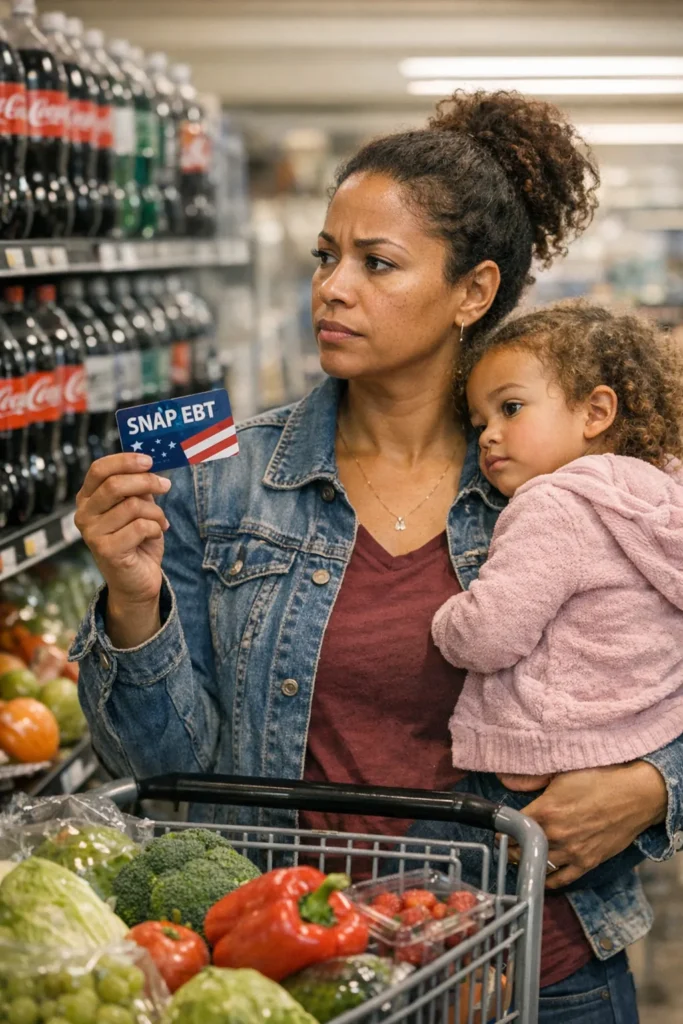
Why SNAP Junk Food Restrictions Are Back in the Spotlight
The Supplemental Nutrition Assistance Program (SNAP) supports over 40 million Americans. It is designed to fight food insecurity — not necessarily to regulate nutrition choices.
However, obesity rates remain high. According to the Centers for Disease Control and Prevention (CDC), obesity affects roughly 42% of U.S. adults. Diet-related diseases such as type 2 diabetes and heart disease continue to rise.
Public health researchers have increasingly asked whether SNAP junk food restrictions could:
- Improve diet quality
- Reduce long-term healthcare costs
- Lower obesity rates
- Encourage healthier food environments
Supporters argue that public funds should promote better nutrition outcomes. Critics warn that restrictions could stigmatize low-income families and reduce personal autonomy.
What the Research Suggests
In discussions highlighted by JAMA, experts examined how food policy intersects with health equity.
While SNAP improves food security, studies have shown that sugary drinks and ultra-processed foods are frequently purchased using benefits — reflecting broader American dietary trends.
The issue is complex:
- Low-income neighborhoods often lack access to affordable fresh produce.
- Ultra-processed foods are cheaper, shelf-stable, and heavily marketed.
- Nutrition education alone may not overcome structural barriers.
The CDC has repeatedly emphasized that reducing sugar-sweetened beverage intake is one of the most effective ways to cut excess calorie consumption.
The Obesity and Public Spending Question
Supporters of SNAP junk food restrictions argue that obesity-related conditions cost the U.S. healthcare system billions annually.
If policy changes reduced soda and junk food purchases even modestly, the long-term savings could be substantial.
However, public health experts caution that obesity is multifactorial. It is influenced by:
- Income inequality
- Urban planning
- Education access
- Marketing exposure
- Stress levels
- Food deserts
Restricting products alone may not solve the problem.
Critics Say Restrictions May Backfire
Opponents of SNAP junk food restrictions raise several concerns:
1. Stigma and Autonomy
Limiting purchases could single out low-income families, reinforcing harmful stereotypes.
2. Administrative Complexity
Retail systems would require reprogramming. Defining “junk food” is also controversial.
Is fruit juice junk food? What about flavored yogurt? Granola bars?
3. Limited Evidence of Behavior Change
Some experts argue that restrictions might simply shift spending rather than meaningfully improve diet quality.
What About the UK?
While SNAP is a U.S. program, similar conversations are happening in the UK.
The NHS has repeatedly warned about the dangers of high sugar intake and ultra-processed foods. The UK government has already implemented measures like:
- Sugar taxes on soft drinks
- Advertising restrictions targeting children
- Calorie labeling requirements
The SNAP junk food restrictions debate may influence how other countries think about linking public assistance to nutrition standards.
Public Opinion Is Divided
Surveys in recent years have shown mixed reactions:
- Many Americans support restricting soda purchases with SNAP.
- Others believe the program’s primary goal is preventing hunger — not policing choices.
The debate touches deeper cultural themes:
- Personal responsibility vs. systemic reform
- Public health vs. personal freedom
- Immediate hunger relief vs. long-term disease prevention
These tensions make SNAP junk food restrictions one of the most emotionally charged food policy discussions in years.
Could Incentives Work Better Than Restrictions?
Some researchers suggest a middle ground.
Instead of banning certain items, programs could:
- Provide bonus benefits for fruits and vegetables
- Offer subsidies for whole foods
- Expand farmers’ market incentives
- Improve nutrition education access
Pilot programs have shown promising results when healthy foods are financially incentivized.
The CDC supports multi-level strategies that address both environment and behavior, rather than relying on single-policy solutions.
Why This Story Is Going Viral
Food is deeply personal. When policies touch what families can buy, emotions run high.
On social media, hashtags related to SNAP junk food restrictions are trending, with heated arguments from all sides:
- “Protect taxpayer dollars.”
- “Stop blaming poor families.”
- “Fix food deserts first.”
- “Focus on corporate food marketing.”
The conversation is no longer academic — it’s cultural.
What This Means for Families Right Now
For now, SNAP junk food restrictions remain under debate. No nationwide ban has been implemented.
But the discussion signals something bigger:
America is rethinking how food policy connects to chronic disease.
Families using SNAP may want to stay informed about:
- State-level policy proposals
- Changes to eligible food lists
- Expanded healthy incentive programs
For practical, everyday guidance on improving diet quality without increasing grocery costs, read our companion guide:
👉 https://eviida.com/healthy-snap-grocery-guide/
The Bigger Public Health Picture
Obesity prevention is not about one grocery item. It’s about systems.
Public health experts emphasize:
- Access to affordable fresh foods
- Safe neighborhoods for physical activity
- Reduced marketing of ultra-processed products
- Better nutrition education
SNAP junk food restrictions represent one potential tool — but not a standalone solution.
Educational Note
This article is for educational purposes only and does not provide medical advice. For personal dietary guidance, consult a qualified healthcare professional.
Final Takeaway
The SNAP junk food restrictions debate reflects a larger question facing both the US and UK:
Should public assistance programs focus solely on preventing hunger — or also actively shape nutrition outcomes?
As obesity rates climb and healthcare costs surge, this conversation is unlikely to fade.
Whether through restrictions, incentives, or broader reform, the future of food assistance may look very different in the coming years.
And what’s decided could influence not just grocery receipts — but the long-term health of millions.
