
Benefits of Raw Honey: Science-Backed Reasons Americans Are Returning to Nature’s Oldest Sweetener
Raw honey was sitting on my grandmother’s kitchen shelf long before it became trendy on wellness blogs or featured in upscale grocery stores. She didn’t call it a “superfood.” She just called it honey—and she trusted it more than cough syrups, sugar, or anything that came in a plastic bottle.
Today, Americans are rediscovering what earlier generations already knew: raw honey is not just a natural sweetener. It’s a functional food with deep roots in science, tradition, and everyday health. And as chronic inflammation, digestive issues, and immunity concerns rise across the U.S., more people are searching for the benefits of raw honey and how to use it safely and effectively.
This guide is written for real people—not lab coats. It blends science, practical use, and lived experience, so you can decide whether raw honey deserves a permanent place in your kitchen.
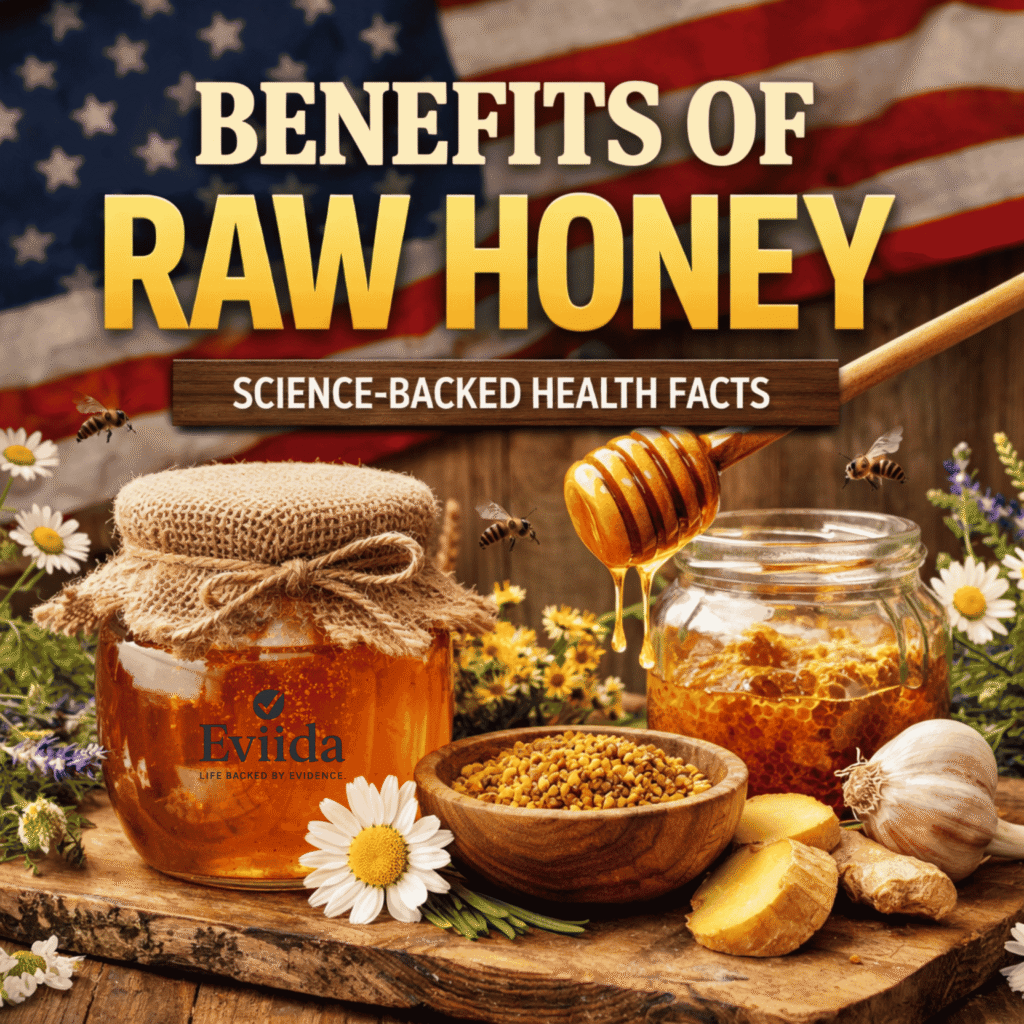
What Is Raw Honey and Why It’s Different
Raw honey is honey in its purest form. It is collected from the hive, strained lightly to remove debris like wax or pollen clumps, and bottled without pasteurization or ultra-filtration.
Unlike processed honey, raw honey:
- Is not heated at high temperatures
- Retains natural enzymes
- Contains bee pollen, propolis, and antioxidants
- Maintains trace vitamins, minerals, and phytonutrients
This difference matters because heat destroys many of the compounds responsible for the well-documented benefits of raw honey.
In the U.S., many grocery-store honey brands are heavily processed to improve clarity and shelf life. Unfortunately, that processing strips away much of what makes honey beneficial in the first place.
The Nutritional Profile of Raw Honey
Raw honey is more than sugar. While it does contain natural sugars like fructose and glucose, it also offers:
- Enzymes such as glucose oxidase
- Amino acids
- Polyphenols and flavonoids (antioxidants)
- Trace minerals like potassium, calcium, magnesium, and zinc
- Organic acids that support digestion
This unique combination is why raw honey behaves differently in the body than refined sugar or corn syrup.
Benefits of Raw Honey for Overall Health
1. Supports a Stronger Immune System
One of the most studied benefits of raw honey is its immune-supporting role.
Raw honey contains antimicrobial compounds that help the body defend itself against bacteria, viruses, and fungi. These properties are partly due to:
- Hydrogen peroxide production
- Low moisture content
- Natural acidity
- Bioactive plant compounds from nectar
Many Americans use raw honey during cold and flu season, not as a cure, but as daily support that works with the immune system rather than against it.
2. Soothes Coughs and Throat Irritation
Doctors across the U.S. often recommend honey for cough relief—especially for nighttime coughing.
Research shows that raw honey can:
- Coat the throat
- Reduce irritation
- Decrease coughing frequency
- Improve sleep quality in children over one year old
This is one of the most practical, immediately noticeable benefits of raw honey.
3. Improves Digestive Health Naturally
Raw honey contains prebiotic compounds that nourish beneficial gut bacteria. A healthier gut microbiome supports:
- Better digestion
- Reduced bloating
- Improved nutrient absorption
- Stronger immune response
Many people with sensitive stomachs find that raw honey is easier to digest than refined sugar and does not cause the same blood sugar spikes when used moderately.
4. May Help Reduce Inflammation
Chronic inflammation is linked to heart disease, diabetes, arthritis, and many autoimmune conditions common in the U.S.
The antioxidants found in raw honey help neutralize free radicals, reducing oxidative stress in the body. Over time, this can lower inflammatory markers and support long-term health.
This anti-inflammatory effect is one of the lesser-known but critical benefits of raw honey.
5. Supports Heart Health
Moderate consumption of raw honey has been associated with:
- Improved cholesterol balance
- Lower triglyceride levels
- Reduced oxidative stress in blood vessels
Unlike refined sugar, raw honey contains compounds that may protect cardiovascular function when used as a sugar substitute.
For Americans looking to reduce processed sugar intake without sacrificing sweetness, this is a meaningful advantage.
Benefits of Raw Honey for Energy and Performance
6. Provides Clean, Sustainable Energy
Raw honey delivers quick energy thanks to its natural glucose, while fructose provides a slower, sustained release.
Athletes and physically active adults often use raw honey:
- Before workouts
- During endurance activities
- As a natural post-exercise recovery aid
Unlike artificial energy gels, raw honey supports performance without synthetic additives.
7. Helps Stabilize Blood Sugar When Used Correctly
While raw honey does affect blood sugar, its impact is gentler than refined sugar due to:
- Lower glycemic response
- Presence of antioxidants
- Enzyme activity
Used in moderation, raw honey can be a better option for people managing insulin sensitivity—though those with diabetes should consult a healthcare provider.
Benefits of Raw Honey for Skin and Beauty
8. Promotes Healthier Skin from the Inside Out
Raw honey supports skin health internally by reducing inflammation and oxidative stress. Many Americans notice improvements in:
- Acne
- Eczema
- Dry or irritated skin
This happens because skin health often reflects gut and immune health—two systems raw honey positively influences.
9. Acts as a Natural Topical Treatment
Applied externally, raw honey:
- Draws moisture into the skin
- Supports wound healing
- Helps prevent bacterial growth
- Soothes burns and cuts
Hospitals have even used medical-grade honey dressings for wound care, validating what traditional medicine practiced for centuries.
Raw Honey vs Processed Honey
Why Processing Changes Everything
Processed honey is often:
- Heated at high temperatures
- Ultra-filtered
- Devoid of pollen and enzymes
This removes most of the compounds responsible for the benefits of raw honey.
If honey looks perfectly clear and never crystallizes, it has likely been over-processed.
Raw honey may crystallize over time—this is natural and does not mean it has gone bad.
How to Use Raw Honey in Daily American Life
Simple, Realistic Ways to Add Raw Honey
You don’t need to overhaul your diet to enjoy the benefits of raw honey.
Try:
- Stirring it into morning tea or coffee (after cooling slightly)
- Adding it to oatmeal or yogurt
- Using it in homemade salad dressings
- Drizzling it over toast with nut butter
- Mixing it with warm water and lemon in the morning
The key is consistency, not quantity.
How Much Raw Honey Should You Consume?
Most health experts suggest:
- 1–2 tablespoons per day for adults
- Less for children (over one year old)
Raw honey is powerful, but moderation is essential.
Who Should Avoid Raw Honey?
Despite its many benefits, raw honey is not for everyone.
Avoid raw honey if:
- You are giving it to infants under one year old (risk of botulism)
- You have a known pollen allergy
- You have uncontrolled diabetes (without medical guidance)
Responsible use ensures safety and effectiveness.
Scientific Research Supporting the Benefits of Raw Honey
Multiple peer-reviewed studies support the health benefits of raw honey in areas such as:
- Antibacterial activity
- Wound healing
- Digestive support
- Antioxidant capacity
The science confirms what traditional cultures practiced long before modern medicine.
How to Choose High-Quality Raw Honey in the U.S.
Look for labels that say:
- “Raw”
- “Unfiltered”
- “Unpasteurized”
- “Local” (when possible)
Avoid honey with:
- Added corn syrup
- Artificial flavoring
- No origin listed
Buying from local beekeepers often ensures authenticity and freshness.
Common Myths About Raw Honey
“Raw Honey Is Just Sugar”
False. While it contains sugar, raw honey behaves differently due to enzymes and antioxidants.
“All Honey Is the Same”
Also false. Processing dramatically changes honey’s nutritional value.
The Emotional Connection Americans Have With Raw Honey
There is something grounding about raw honey. It reminds many people of:
- Childhood remedies
- Family traditions
- A slower, more intentional way of living
In a world dominated by processed foods, the benefits of raw honey extend beyond physical health—they reconnect us to nature and simplicity.
Frequently Asked Questions (FAQ)
What are the main benefits of raw honey?
The main benefits of raw honey include immune support, improved digestion, antioxidant protection, natural energy, skin health, and anti-inflammatory effects.
Is raw honey healthier than regular honey?
Yes. Raw honey retains enzymes, antioxidants, and beneficial compounds that are destroyed during processing.
Can I eat raw honey every day?
Yes, most adults can safely consume raw honey daily in moderation.
Does raw honey help with weight loss?
Raw honey is not a weight-loss food, but replacing refined sugar with raw honey may support healthier eating habits.
Is raw honey safe for children?
Raw honey is safe for children over one year old but should never be given to infants under one year.
How do I know if honey is truly raw?
True raw honey often crystallizes over time, has a cloudy appearance, and lists minimal processing on the label.
Can diabetics consume raw honey?
Some people with diabetes may tolerate small amounts, but medical advice is essential.
Does heating raw honey destroy its benefits?
Yes. Excessive heat can destroy enzymes and antioxidants, reducing the benefits of raw honey.
Final Thoughts: Is Raw Honey Worth It?
For many Americans, raw honey is more than a health trend. It’s a return to something honest, simple, and effective. The benefits of raw honey are supported by science, history, and everyday experience.
Used mindfully, raw honey can replace empty sweeteners, support wellness, and reconnect us with food that actually does something good for the body.
Sometimes, the most powerful health tools are the ones we’ve had all along—quietly waiting on the shelf.
