
Antioxidants are one of the most talked-about nutrients in health and nutrition, yet many people still aren’t sure what they actually are or why they matter. You’ve probably seen antioxidant claims on food labels, supplements, skincare products, and even drinks—but what do antioxidants really do inside your body?
In simple terms, antioxidants help protect your cells from damage. That damage, if left unchecked, is linked to aging and many chronic diseases. Understanding antioxidants can help you make smarter food choices and avoid common nutrition myths.
This guide explains what antioxidants are, how they work, where to find them, and whether supplements are necessary, all in clear, easy language.
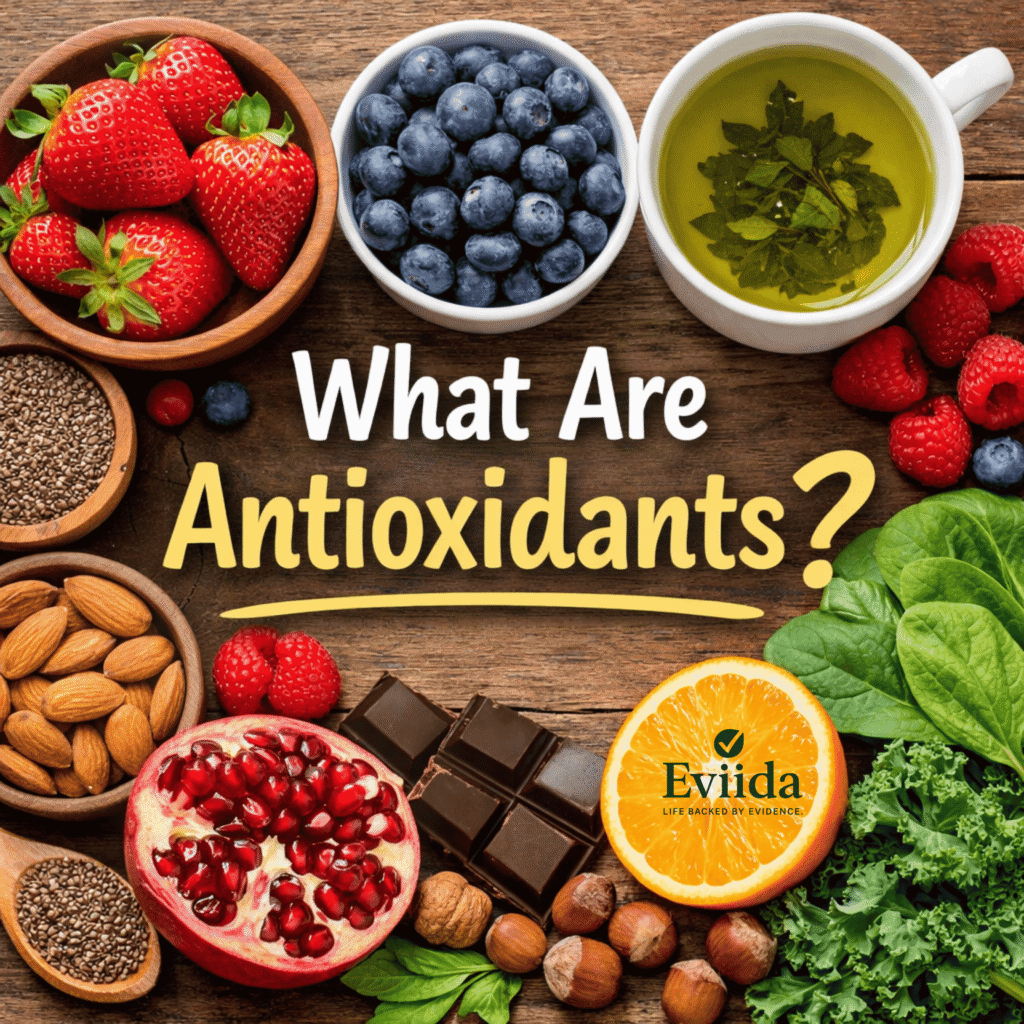
What Are Antioxidants? (Simple Definition)
Antioxidants are substances that protect your body’s cells from damage caused by unstable molecules called free radicals.
Free radicals are a normal by-product of everyday life. Your body produces them when you breathe, digest food, exercise, or respond to stress. External factors like pollution, smoking, UV radiation, and processed foods also increase free radical production.
When free radicals build up faster than your body can control them, they cause oxidative stress, which damages cells, proteins, and DNA. Antioxidants help by neutralizing free radicals before they can cause harm.
How Antioxidants Work in the Body
To understand antioxidants, it helps to know how free radicals behave.
Free radicals are unstable molecules missing an electron. Because they are unstable, they try to steal electrons from nearby healthy cells. This creates a chain reaction of damage that can spread throughout the body.
Antioxidants stop this process by donating an electron to free radicals—without becoming unstable themselves. This action stabilizes free radicals and breaks the chain reaction, reducing cellular damage.
Your body naturally produces some antioxidants on its own, but many must come from food.
Why Antioxidants Are Important for Health
Antioxidants are not a cure for disease, but they play a crucial role in maintaining overall health. Research shows that antioxidant activity is associated with protection against cellular damage linked to multiple conditions.
Key reasons antioxidants matter include:
- Supporting healthy aging
- Protecting cells and DNA from oxidative damage
- Supporting immune system function
- Helping maintain heart and brain health
- Reducing inflammation in the body
According to organizations like National Institutes of Health, oxidative stress is involved in many chronic diseases, which is why antioxidants are an active area of medical research.
Types of Antioxidants
Antioxidants come in many forms, and they work in different ways. No single antioxidant does everything—this is why dietary variety matters.
Vitamin Antioxidants
These are among the most well-known antioxidants:
- Vitamin C – Found in citrus fruits, bell peppers, strawberries
- Vitamin E – Found in nuts, seeds, and vegetable oils
- Vitamin A (and beta-carotene) – Found in carrots, sweet potatoes, and leafy greens
Mineral Antioxidants
Some minerals support antioxidant enzymes in the body:
- Selenium
- Zinc
- Copper
- Manganese
Phytochemicals (Plant Antioxidants)
These are natural compounds found in plant foods:
- Flavonoids
- Polyphenols
- Anthocyanins
- Carotenoids
These compounds give fruits and vegetables their bright colors and powerful protective effects.
Foods High in Antioxidants
Whole foods are the best source of antioxidants. Foods that are colorful, fresh, and minimally processed tend to be richest in antioxidant compounds.
Common antioxidant-rich foods include:
- Berries (blueberries, strawberries, blackberries)
- Dark leafy greens (spinach, kale)
- Colorful vegetables (carrots, tomatoes, bell peppers)
- Nuts and seeds
- Green tea and black tea
- Dark chocolate (in moderation)
- Beans and legumes
Health authorities such as World Health Organization consistently emphasize diets rich in fruits and vegetables because of their antioxidant content and overall health benefits.
Natural Antioxidants vs Antioxidant Supplements
One of the most common questions people ask is whether antioxidant supplements are better than food.
Antioxidants from Food
Antioxidants consumed through food work together in complex ways. Fruits and vegetables contain thousands of compounds that support each other, not just isolated vitamins.
Benefits of food-based antioxidants:
- Better absorption
- Lower risk of overdose
- Additional fiber and nutrients
- Proven long-term safety
Antioxidant Supplements
Supplements contain isolated antioxidants in concentrated doses. While they may be helpful in specific medical conditions, research shows mixed results for general health.
Some studies suggest that high-dose antioxidant supplements may not provide the same benefits as food and, in certain cases, may even interfere with normal cellular processes.
For most healthy people, experts recommend getting antioxidants from food rather than supplements, unless advised otherwise by a healthcare professional.
Antioxidants and Chronic Disease Prevention
Scientists are actively studying how antioxidants relate to chronic diseases. While antioxidants alone cannot prevent disease, diets rich in antioxidant-containing foods are associated with lower risk of certain conditions.
Research links antioxidant-rich diets to:
- Better heart health
- Improved blood vessel function
- Support for brain health and memory
- Reduced inflammation markers
It’s important to note that antioxidants work best as part of a balanced lifestyle, not as a single solution.
Common Myths About Antioxidants
Myth 1: More antioxidants are always better
Too much of certain antioxidants—especially from supplements—can be harmful.
Myth 2: Antioxidants cure diseases
Antioxidants support health but do not cure cancer, diabetes, or heart disease.
Myth 3: Supplements are stronger than food
Whole foods provide more complete and safer antioxidant benefits.
Are Antioxidants Safe?
Antioxidants from natural foods are considered safe for nearly everyone. Problems typically arise only with excessive supplement use, especially in high doses over long periods.
If you have a medical condition, are pregnant, or take medications, always consult a healthcare provider before using antioxidant supplements.
How to Get Enough Antioxidants Daily
You don’t need complicated plans or expensive products. Simple habits work best:
- Eat a variety of fruits and vegetables daily
- Choose different colors throughout the week
- Replace sugary snacks with fruit or nuts
- Drink tea instead of sugary drinks occasionally
- Focus on whole, minimally processed foods
A diverse diet naturally provides a wide range of antioxidants without the risks associated with supplements.
Frequently Asked Questions (FAQ)
What are antioxidants in simple words?
Antioxidants are substances that protect your cells from damage caused by free radicals.
Are antioxidants good for the immune system?
Yes, antioxidants help protect immune cells from oxidative damage and support normal immune function.
Do antioxidants slow aging?
They help reduce cellular damage associated with aging, but they do not stop aging completely.
Can you get too many antioxidants?
From food, it’s very unlikely. From supplements, yes—especially in high doses.
Final Thoughts
Antioxidants play an essential role in protecting your body from everyday cellular damage. They are not magic pills or miracle cures, but they are a vital part of a healthy diet and lifestyle.
The best way to benefit from antioxidants is simple: eat real food, especially fruits and vegetables, in a wide variety of colors. When combined with regular physical activity, adequate sleep, and stress management, antioxidants help support long-term health naturally and safely.
