
Why Clean Eating Feels So Confusing in America
Walk through any grocery store in the United States and you’ll see the problem immediately. One aisle promises “low-fat,” another screams “keto,” another whispers “organic,” while frozen meals claim to be “healthy” in bold green letters.
Somewhere between work deadlines, family dinners, drive-thru temptations, and late-night cravings, many Americans quietly ask themselves the same question:
“Why does eating healthy feel so complicated?”
This is where the idea of clean eating started to matter. Not as a diet. Not as a trend. But as a way to simplify food again.
Clean eating isn’t about perfection. It’s not about expensive groceries or cutting out everything you enjoy. At its core, it’s about choosing foods that look closer to how they came from nature and learning how to eat in a way that supports your energy, mood, and long-term health.
In this guide, you’ll find clean eating explained in plain English, with real-life examples that fit modern American routines. No extremes. No guilt. Just honest, practical advice you can actually use.
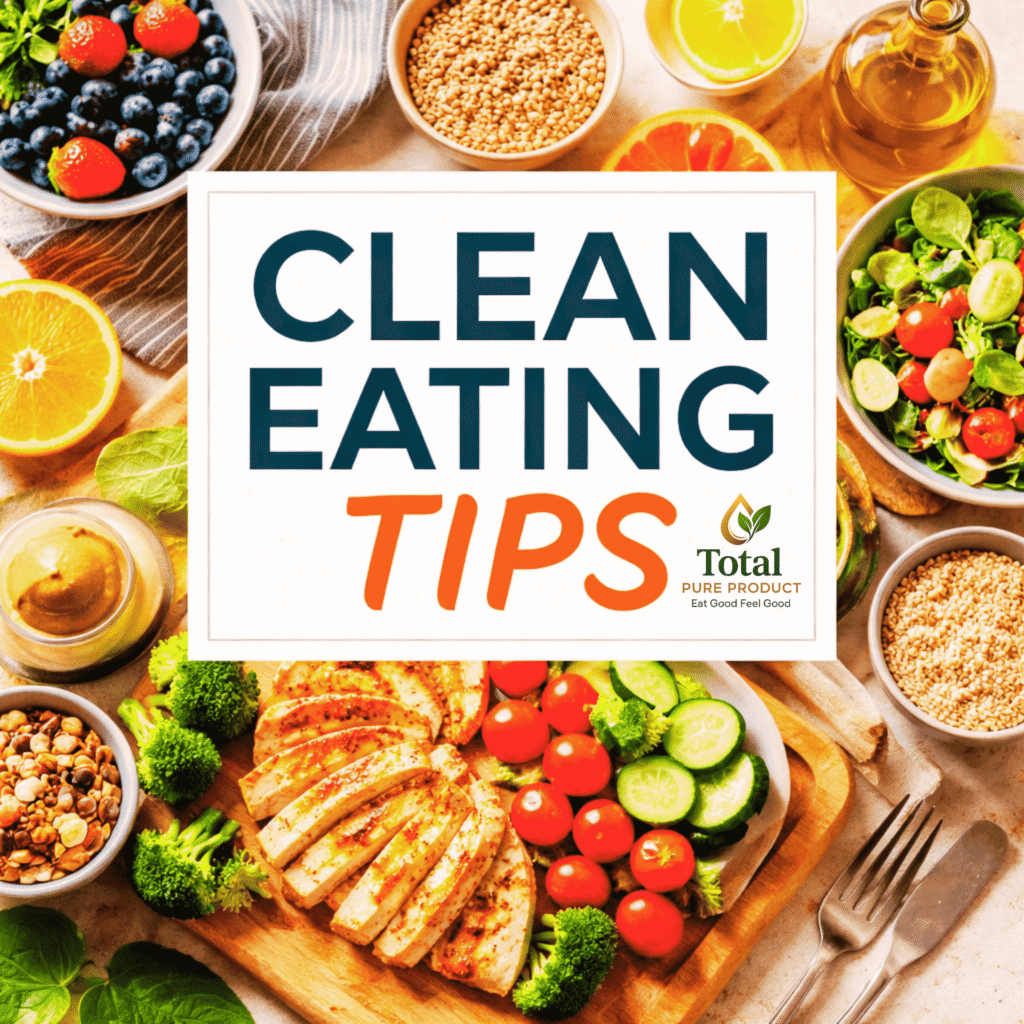
What Clean Eating Really Means (Without the Internet Myths)
Clean eating has been misunderstood online. Social media often paints it as rigid, expensive, or all-or-nothing. In reality, clean eating is much simpler.
Clean eating means:
- Choosing whole or minimally processed foods
- Reading ingredient labels and understanding what you’re eating
- Cooking more meals at home when possible
- Reducing ultra-processed foods, not obsessively eliminating them
It does not mean:
- Never eating out
- Never having dessert
- Only buying organic
- Counting every calorie
In American households, clean eating works best when it adapts to real life—school lunches, office snacks, road trips, and weekend barbecues included.
Clean Eating Tips for Beginners Who Feel Overwhelmed
If you’re just starting, the biggest mistake is trying to change everything at once. Sustainable habits grow slowly.
Start With One Meal a Day
Instead of “going clean” overnight, choose one meal—often breakfast—and improve that first.
Example:
- Swap sugary cereal for oatmeal with fruit
- Replace flavored yogurt with plain yogurt and honey
- Choose eggs and toast over packaged breakfast bars
Small wins build confidence.
Focus on Food Quality, Not Labels
A frozen pizza labeled “healthy” may still contain a long list of preservatives. Meanwhile, a simple meal of rice, vegetables, and chicken may not carry any buzzwords—but it’s closer to clean eating.
When in doubt, ask:
“Could my grandparents recognize this food?”
The Emotional Side of Clean Eating (Why It Fails for Many Americans)
Most people don’t struggle with clean eating because they lack information. They struggle because food is emotional.
In the U.S., food is tied to:
- Stress relief
- Family traditions
- Comfort during hard times
- Celebration and connection
Ignoring this reality leads to burnout.
Clean eating works when you honor emotions without letting them control your choices. That might mean:
- Enjoying pizza night without guilt
- Planning healthier meals most days
- Accepting that progress matters more than perfection
Clean Eating Tips That Actually Fit a Busy American Lifestyle
Time is one of the biggest barriers. Between work, commuting, kids, and side hustles, cooking can feel impossible.
Keep a “No-Thinking” Grocery List
Stock your kitchen with repeat basics:
- Eggs
- Frozen vegetables
- Rice or quinoa
- Chicken, fish, or beans
- Olive oil and spices
When your pantry is ready, healthy meals become automatic.
Batch Cooking Without Spending Sunday in the Kitchen
Clean eating doesn’t require meal prepping every container for the week.
Try this instead:
- Roast a tray of vegetables
- Cook one protein
- Make one grain
Mix and match during the week for quick meals.
Clean Eating Tips Backed by Common Sense and Science
The best clean eating tips aren’t extreme. They’re practical and supported by long-term health research.
Eat Foods With Short Ingredient Lists
A general rule:
- Fewer ingredients = less processing
- Ingredients you can pronounce = better choice
Balance Your Plate
Aim for:
- Half vegetables
- One quarter protein
- One quarter whole grains or healthy carbs
This simple structure supports energy, digestion, and blood sugar stability.
The Clean Eating Foods List Americans Should Rely On
Instead of memorizing rules, remember categories.
Whole Foods to Eat More Often
- Fresh fruits and vegetables
- Eggs
- Fish and seafood
- Lean meats
- Beans and lentils
- Nuts and seeds
- Whole grains like oats and brown rice
Foods to Limit (Not Fear)
- Sugary drinks
- Packaged snacks
- Refined grains
- Fast food
Clean eating is about frequency, not banning foods forever.
Clean Eating on a Budget: Yes, It’s Possible in the U.S.
One of the biggest myths is that clean eating is expensive.
Buy Frozen and Canned Smartly
Frozen vegetables are often cheaper and just as nutritious. Canned beans are affordable and versatile—just rinse them to reduce sodium.
Shop Seasonally
Produce in season costs less and tastes better. Farmers’ markets and discount grocery stores can be powerful allies.
Clean Eating Tips for Families and Kids
Children learn by watching. If parents treat healthy food as punishment, kids will resist it.
Make Clean Eating Normal, Not Special
Serve vegetables as a regular part of meals without pressure. Let kids help cook. Familiarity builds acceptance.
Avoid Labeling Foods as “Good” or “Bad”
Instead, talk about:
- “Everyday foods”
- “Sometimes foods”
This approach supports a healthier relationship with food.
Clean Eating Tips for Dining Out Without Stress
Eating out doesn’t cancel your progress.
Look for:
- Grilled instead of fried
- Vegetables as sides
- Sauces on the side
- Water or unsweetened drinks
One meal never defines your health.
Common Clean Eating Mistakes Americans Make
Even with good intentions, people often fall into traps.
Going Too Extreme Too Fast
Cutting out entire food groups usually leads to cravings and quitting.
Obsessing Over Perfection
If clean eating becomes stressful, it stops being healthy.
Ignoring Enjoyment
Food should still taste good. Satisfaction matters.
A 7-Day Clean Eating Starter Plan (Flexible & Realistic)
Day 1: Eggs, vegetables, rice bowl
Day 2: Oatmeal with fruit, chicken salad
Day 3: Smoothie, homemade soup
Day 4: Leftovers, grilled fish
Day 5: Pasta with vegetables and olive oil
Day 6: Eat out mindfully
Day 7: Home-cooked comfort meal
No rigid rules. Just balance.
Clean Eating Tips That Support Long-Term Health
The real goal isn’t a perfect week. It’s a lifestyle you can maintain for years.
Clean eating supports:
- Stable energy
- Better digestion
- Improved focus
- Healthier weight management
- Reduced chronic disease risk
But only if it fits your life.
How Clean Eating Changes How You Feel (Not Just How You Look)
Many Americans start clean eating to lose weight. They stay because they feel different:
- Less afternoon crashes
- More consistent energy
- Better sleep
- Improved mood
These changes matter more than numbers on a scale.
Clean Eating Tips for Staying Consistent During Stressful Times
Life gets busy. That’s normal.
During high-stress periods:
- Keep meals simple
- Rely on repeat foods
- Forgive imperfect days
- Return to basics
Consistency beats intensity.
Clean Eating Tips for Americans Over 30: When Health Starts Feeling Different
For many Americans, something shifts after 30. The body doesn’t bounce back the same way it did in college. Late-night meals sit heavier. Sugary breakfasts lead to energy crashes by mid-morning. Weight changes feel more stubborn, even when eating “less.”
This is often the moment when clean eating stops sounding trendy and starts sounding practical.
Clean eating at this stage isn’t about chasing a certain body type. It’s about supporting digestion, hormones, energy levels, and long-term health. Many people notice that when they reduce ultra-processed foods and return to simpler meals, their body responds more predictably.
You don’t need new rules—you need awareness. Paying attention to how food makes you feel becomes more important than how it looks on a nutrition label.
Clean Eating and Mental Health: The Overlooked Connection
Food doesn’t just fuel the body; it affects the mind. In the U.S., anxiety, stress, and burnout are common, and eating habits often reflect that.
Highly processed foods can:
- Spike blood sugar
- Lead to crashes in energy
- Increase feelings of irritability
- Disrupt sleep patterns
Clean eating supports mental well-being by promoting steady energy and stable moods. Balanced meals with protein, fiber, and healthy fats help avoid the emotional highs and lows that come from constant sugar spikes.
This doesn’t mean food replaces therapy or stress management. But it does mean food can either support or strain your nervous system. Many Americans report feeling calmer and more focused simply by eating more consistently and choosing simpler foods.
Clean Eating Tips for People Who Hate Cooking
Not everyone enjoys the kitchen—and that’s okay.
Clean eating does not require gourmet skills. Some of the cleanest meals are also the simplest.
Ideas that require minimal effort:
- Rotisserie chicken with frozen vegetables
- Scrambled eggs with toast and fruit
- Greek yogurt with nuts and berries
- Canned tuna with olive oil and lemon
- Rice bowls made from leftovers
The goal isn’t creativity—it’s reliability. When food feels easy, consistency follows.
How Clean Eating Fits Into American Food Culture (Not Against It)
One reason clean eating fails is because people try to eat in ways that don’t reflect their culture.
In America, food is social. It’s tied to:
- Holidays
- Family gatherings
- Sporting events
- Weekends and celebrations
Clean eating works best when it coexists with these moments, not when it tries to eliminate them.
You can:
- Enjoy Thanksgiving without guilt
- Have a burger at a barbecue
- Eat cake at a birthday
What matters is what you do most of the time, not what you do occasionally.
Clean Eating Tips for Late-Night Eating Habits
Late-night eating is common in busy American lifestyles, especially for people working long hours or dealing with stress.
Instead of fighting it aggressively, try adjusting it.
Better late-night options:
- Yogurt with fruit
- A small bowl of oatmeal
- Nuts and herbal tea
- Leftover protein and vegetables
The goal is to reduce blood sugar spikes while still honoring hunger.
Why Clean Eating Is Not a Detox (And Why That Matters)
One of the most harmful misconceptions is that clean eating is a form of detox.
Your body already detoxes itself—through the liver, kidneys, and digestive system.
Clean eating:
- Supports these systems
- Reduces unnecessary strain
- Helps the body function more efficiently
It does not:
- Flush toxins overnight
- Require juices or extreme restrictions
- Create instant transformation
Understanding this prevents disappointment and protects your health.
Clean Eating Tips for Grocery Shopping Without Overthinking
Grocery shopping is where most clean eating decisions are made—or avoided.
A Simple Rule That Works in Most U.S. Stores
Spend more time around the outer aisles:
- Produce
- Meat and seafood
- Dairy
- Eggs
This isn’t perfect, but it’s a helpful guide.
Read Labels Only When Necessary
If a food is a whole item—like apples or eggs—you don’t need to analyze it. Save label reading for packaged foods, and focus on ingredient lists rather than marketing claims.
Clean Eating Tips for Travel, Road Trips, and Airports
Travel disrupts routines, but it doesn’t have to derail habits completely.
Helpful travel strategies:
- Pack nuts, fruit, or protein bars with simple ingredients
- Choose meals with protein and vegetables when possible
- Stay hydrated
- Avoid skipping meals entirely
Clean eating while traveling is about damage control, not perfection.
The Long-Term Mindset That Makes Clean Eating Sustainable
The people who succeed with clean eating aren’t the most disciplined—they’re the most flexible.
They understand:
- Progress beats perfection
- One meal doesn’t undo a lifestyle
- Habits matter more than motivation
- Food choices can change day to day
Clean eating becomes sustainable when it stops being something you’re “on” or “off” and starts being something you return to.
Clean Eating Tips for Staying Motivated Without Obsession
Motivation fades. Systems stay.
Instead of relying on willpower:
- Keep healthy food visible
- Prepare basics in advance
- Eat at regular times
- Accept imperfect days
Consistency grows from structure, not inspiration.
How to Know If Clean Eating Is Working for You
Instead of focusing only on weight, ask:
- Do I have more stable energy?
- Am I less bloated?
- Is my digestion improving?
- Do I feel more in control around food?
- Is my mood more balanced?
These signs often appear before physical changes.
Clean Eating Tips for Building a Healthier Relationship With Food
The ultimate benefit of clean eating isn’t just physical health—it’s peace.
When food becomes simpler:
- Decision fatigue decreases
- Guilt fades
- Trust in your body grows
You stop asking, “Is this allowed?”
And start asking, “Does this support me?”
That shift changes everything.
Frequently Asked Questions (FAQ)
What is the simplest definition of clean eating?
Clean eating means choosing foods that are whole, minimally processed, and closer to their natural form while avoiding unnecessary additives.
Do I have to eat organic to eat clean?
No. Organic can be helpful, but clean eating focuses more on food quality than labels.
Can clean eating help with weight loss?
Yes, but weight loss is a side effect—not the primary goal. Clean eating supports healthier habits that often lead to natural weight balance.
Is clean eating safe for beginners?
Absolutely. Starting slowly and focusing on simple improvements makes clean eating safe and sustainable.
How long does it take to feel results?
Many people notice improved energy and digestion within one to two weeks, depending on consistency.
Clean Eating Is About Progress, Not Perfection
Clean eating isn’t about becoming someone else. It’s about supporting the life you already live.
In a culture full of extremes, clean eating offers something rare: balance.
Start small. Stay flexible. Listen to your body. And remember—one good choice can lead to another.
