
Heat Exposure During Pregnancy: New JAMA Findings Raise Urgent Safety Concerns
As extreme heat waves sweep across parts of the United States and the United Kingdom, new research is drawing urgent attention to heat exposure during pregnancy and its potential health risks.
A study published on February 25, 2026, in JAMA highlights growing evidence that rising temperatures may pose serious concerns for pregnant people, especially during prolonged heat exposure. You can read the official publication via JAMA here:
👉 https://jamanetwork.com/journals/jama/newonline
With climate change driving record-breaking temperatures in states like Texas, Arizona, and California — and heat alerts becoming more common in parts of England — the topic of heat exposure during pregnancy is no longer seasonal. It’s becoming a public health conversation.
Here’s what the research found — and what pregnant individuals can do now to stay safer.
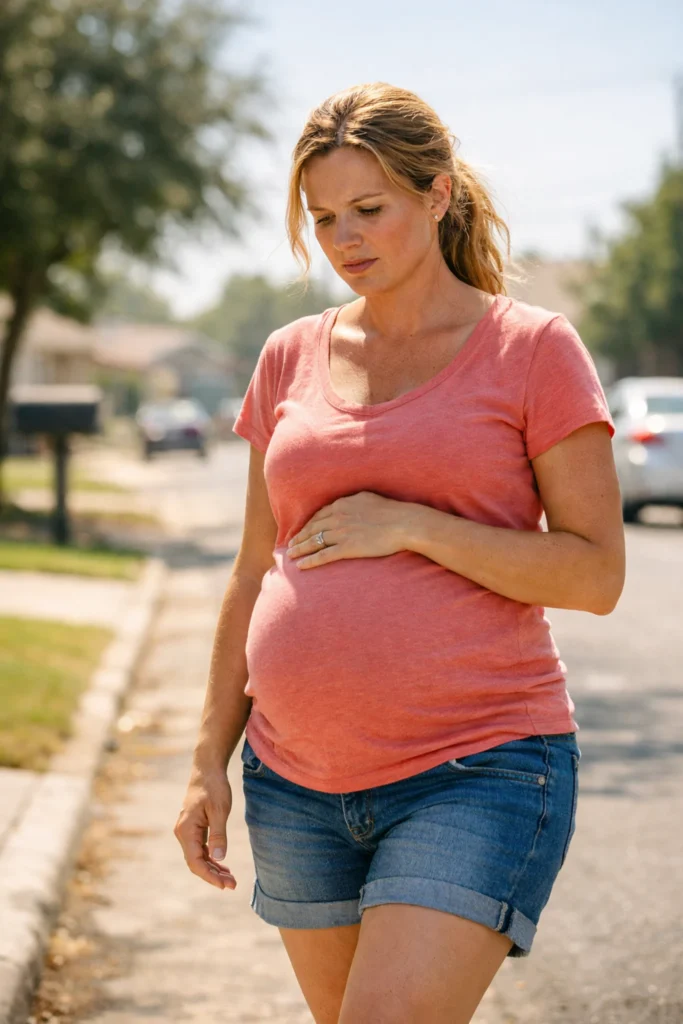
What the New Research Says About Heat Exposure During Pregnancy
The February 25 JAMA publication adds to mounting data linking heat exposure during pregnancy with increased risks of:
- Preterm birth
- Low birth weight
- Dehydration complications
- Increased maternal stress
- Higher hospitalization rates during heat waves
Researchers suggest that prolonged exposure to high temperatures may place extra strain on the cardiovascular system. During pregnancy, blood volume increases significantly, and the body works harder to regulate internal temperature. Excess heat may disrupt this balance.
In simpler terms: pregnant bodies are already working overtime. Add extreme heat — and that stress may rise further.
While the study does not claim that heat directly causes complications in every case, it strengthens concern that heat exposure during pregnancy could act as an added environmental stressor.
Why Pregnant People Are More Vulnerable to Heat
Understanding the physiology helps explain the concern around heat exposure during pregnancy.
During pregnancy:
- Blood volume increases by up to 50%
- Core body temperature runs slightly higher
- Sweating thresholds change
- Fluid needs increase
- Cardiovascular workload intensifies
When outdoor temperatures climb above 90°F (32°C) — increasingly common across the US and parts of Southern Europe and the UK — the body may struggle to cool itself efficiently.
The CDC already advises pregnant individuals to take precautions during extreme heat events. You can review official CDC heat safety guidance here:
👉 https://www.cdc.gov/disasters/extremeheat/index.html
Similarly, the NHS provides guidance on staying safe in hot weather:
👉 https://www.nhs.uk/live-well/seasonal-health/heatwave-how-to-cope-in-hot-weather/
The new JAMA findings reinforce why this guidance matters more than ever.
Heat Waves Are Becoming More Common
The US experienced multiple record-breaking heat events over the past few years. The UK also declared heat emergencies in recent summers, with temperatures exceeding 40°C (104°F) for the first time in recorded history.
Climate scientists warn that extreme heat days are increasing — and that means heat exposure during pregnancy may become a routine risk, not an occasional one.
For expecting parents planning summer travel, outdoor events, or daily commutes, this research arrives at a critical moment.
Practical Safety Tips to Reduce Heat Exposure During Pregnancy
The good news: there are simple, practical steps to lower risk.
Here’s what experts recommend to reduce heat exposure during pregnancy:
1. Prioritize Hydration
Drink water consistently throughout the day — not just when thirsty. Pregnant individuals may require more fluids in hot weather.
Tip: Carry a reusable water bottle and aim for pale-yellow urine as a hydration indicator.
2. Avoid Peak Heat Hours
Limit outdoor activity between 11 a.m. and 4 p.m., when temperatures are typically highest.
If you must be outside, seek shade frequently.
3. Use Cooling Strategies
- Air conditioning when possible
- Fans with ventilation
- Cool showers
- Lightweight, breathable clothing
If AC is unavailable, consider cooling centers (common across many US cities during heat alerts).
4. Monitor for Warning Signs
Seek medical attention if experiencing:
- Dizziness
- Rapid heartbeat
- Severe headache
- Confusion
- Reduced fetal movement
These symptoms may indicate heat-related illness.
5. Adjust Exercise Routines
Switch outdoor workouts to indoor environments during extreme heat. Prenatal yoga, swimming, or early-morning walks may be safer alternatives.
A Growing Public Health Conversation
The conversation around heat exposure during pregnancy is shifting from personal discomfort to public health priority.
Obstetric providers may increasingly incorporate climate and heat exposure counseling into routine prenatal visits. Urban planners and policymakers are also facing pressure to design cooler cities — more green spaces, reflective materials, and accessible cooling centers.
This is about more than summer discomfort. It’s about maternal and infant health in a warming world.
What This Means for Families in the US and UK
For US readers:
States like Arizona, Nevada, Texas, and Florida are seeing prolonged heat seasons. If you’re pregnant in these regions, planning ahead for heat waves is now essential.
For UK readers:
While extreme heat may feel less common historically, recent summers show that preparation is increasingly necessary.
Regardless of geography, awareness of heat exposure during pregnancy is becoming part of modern prenatal care.
The Bottom Line
The February 25 JAMA publication strengthens evidence that heat exposure during pregnancy deserves serious attention.
While research continues, practical prevention steps can make a difference.
Hydrate. Stay cool. Adjust schedules. Watch symptoms.
And most importantly — speak with your healthcare provider about your individual risk, especially if you live in a high-heat region.
Want Deeper Guidance?
If you’re expecting and wondering how to create a long-term summer pregnancy safety plan, we’ve prepared a comprehensive evidence-based guide:
👉 Read our full Eviida Guidance article here:
https://eviida.com/summer-pregnancy-safety-tips/
Educational purpose only. Not medical advice. Always consult a qualified healthcare professional regarding personal medical decisions.